There has been such a lot going on behind the scenes while there have been no blog posts for just over a week.
Last night was the regular monthly film screening for our local film society. As secretary of the group I am usually occupied making sure that everything is ready for film night. There have also been other community activities as well as some administrative work at home.
The harvest continues with nashi pears to be stewed and I have also dehydrated quite a lot. GMan’s help has been invaluable in peeling, coring and slicing.
However, by far the largest disruption to my preferred pattern of blog posts has been the frightening existential threat posed by the invasion of Iran and the subsequent global chaos. Like many of you, my general mental state and equilibrium has been severely tested as I try to balance my day-to-day existence with the very real spectre of a global conflict affecting us all. The functional closure of the Strait of Hormuz is playing havoc with the accessibility of oil, petrol and other fuels.
Meanwhile, back to the title of this post – Oil and Dead Fish.
A few weeks ago I was the recipient of a substantial platter of excess food from a corporate catering event. It is not unusual to have significant leftovers from these type of events which happen thousands of times every day. Most of the food was distributed and able to used and I was extremely grateful to see it not end up in landfill. Included on the platter was a container of individual serves of condiments for sushi. These were soy sauce and wasabi paste. The soy sauce was in the ubiquitous, tiny plastic fish. These plastic fish were banned in South Australia in September 2025 in a world-first but they are still currently used elsewhere.
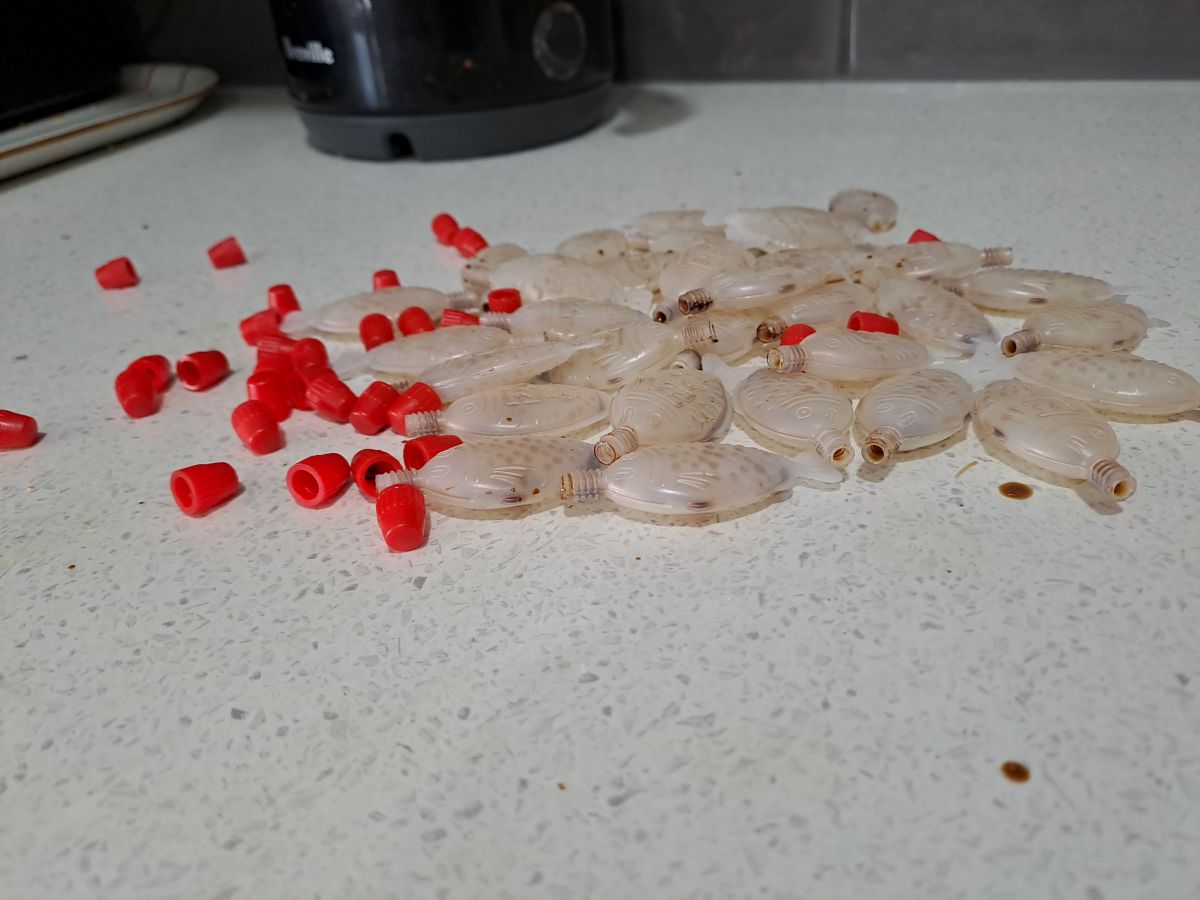
I emptied all of the soy sauce from these tiny containers and this is the pile of plastic waste which will literally take hundreds of year to break down in landfill.
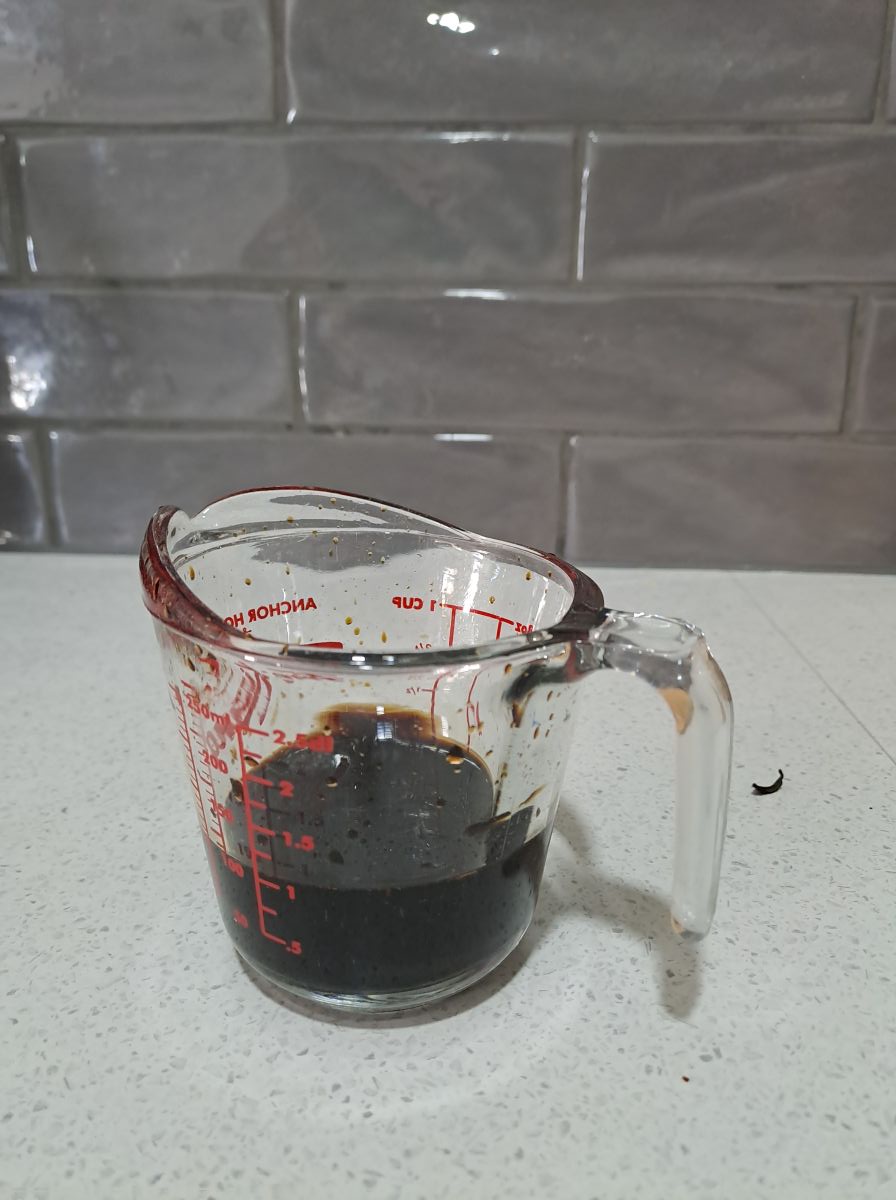
The yield was 100ml of soy sauce which I have put in a jar and will use in my regular meal preparation.
There is a very obvious environmental hazard that these small containers, and their even smaller plastic lids pose to wildlife, particularly of the marine variety. They are plastic and where does plastic come from? That’s right……oil. Yes, the very same oil that is required in one form or another for a large percentage of our transport fuel, medical equipment, food, fertilisers and a thousand and one things that are part and parcel of our daily lives.
Could there possibly be a more wasteful and frivolous use of a finite resource upon which our very civilisation depends than making single-use plastic containers to dispense a mere 3-5ml of soy sauce onto your takeaway sushi?
Plastic is made from oil. Oil is finite. Oil is expensive. Perhaps now is the time to stop and consider everything that we take for granted that is made from plastic in some form or another. Is it necessary? Is there an alternative?
Time to buy a glass bottle of soy sauce?
 organised castle