When we moved to this house almost 3 years ago we downsized the land area from 1.5 acres to a 991 square metre block. While we did not utilise all of our land previously it was still a significant change. We have a long driveway as well as a shed so the usable space is not massive.
Nevertheless, we have more than enough space to grow some of our own food.
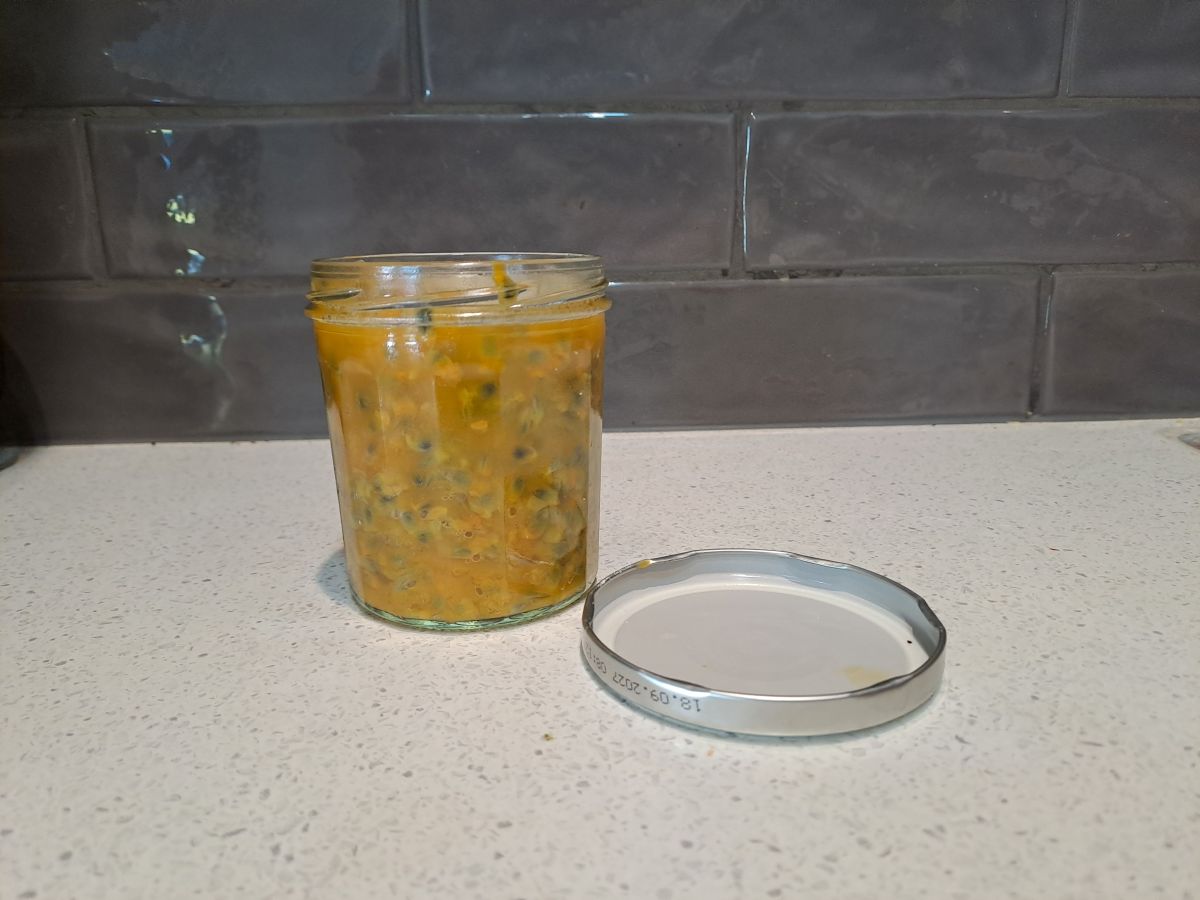
Yesterday I collected 17 passionfruit. The fruit are super sweet. This was in addition to a couple of similar hauls over the past few weeks and there are still dozens more on the vine. I scooped out the pulp and will freeze it.
Here is the result.
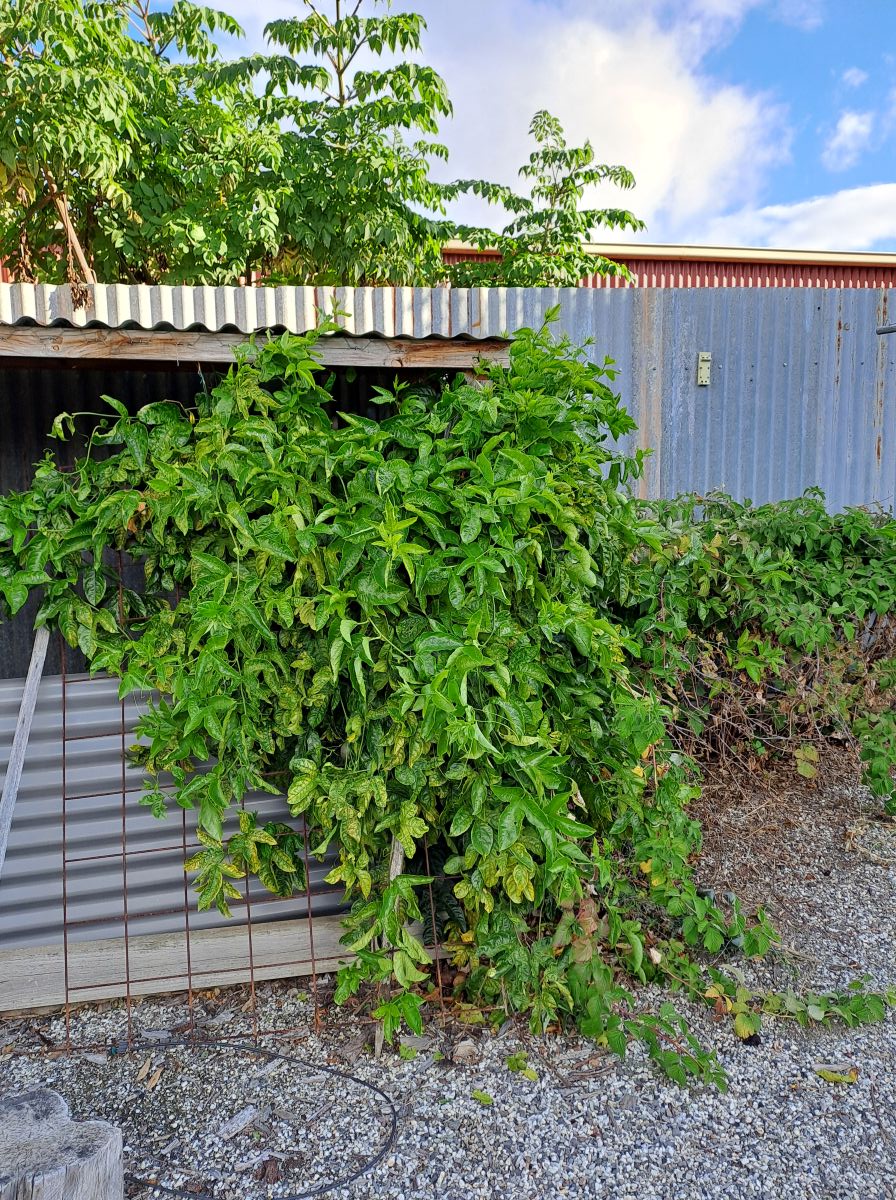
The passionfruit vine was here when we moved in but it did not amount to much. There were no fruit the first year and a few last year. The vine seems to have thrived in the past year despite no attention from us. We are now reaping the rewards.
The somewhat unexpected bounty of passionfruit led me to thinking about how much food you can produce in a relatively modest space.
This year I planted one Roma tomato plant which has been a raging success with over 20kg of tomatoes from this single plant. I managed to nurse it through the 40C+ heat in January and we are certainly nearing the end of the crop. The trellised archway provided the perfect support and allowed for plenty of airflow.
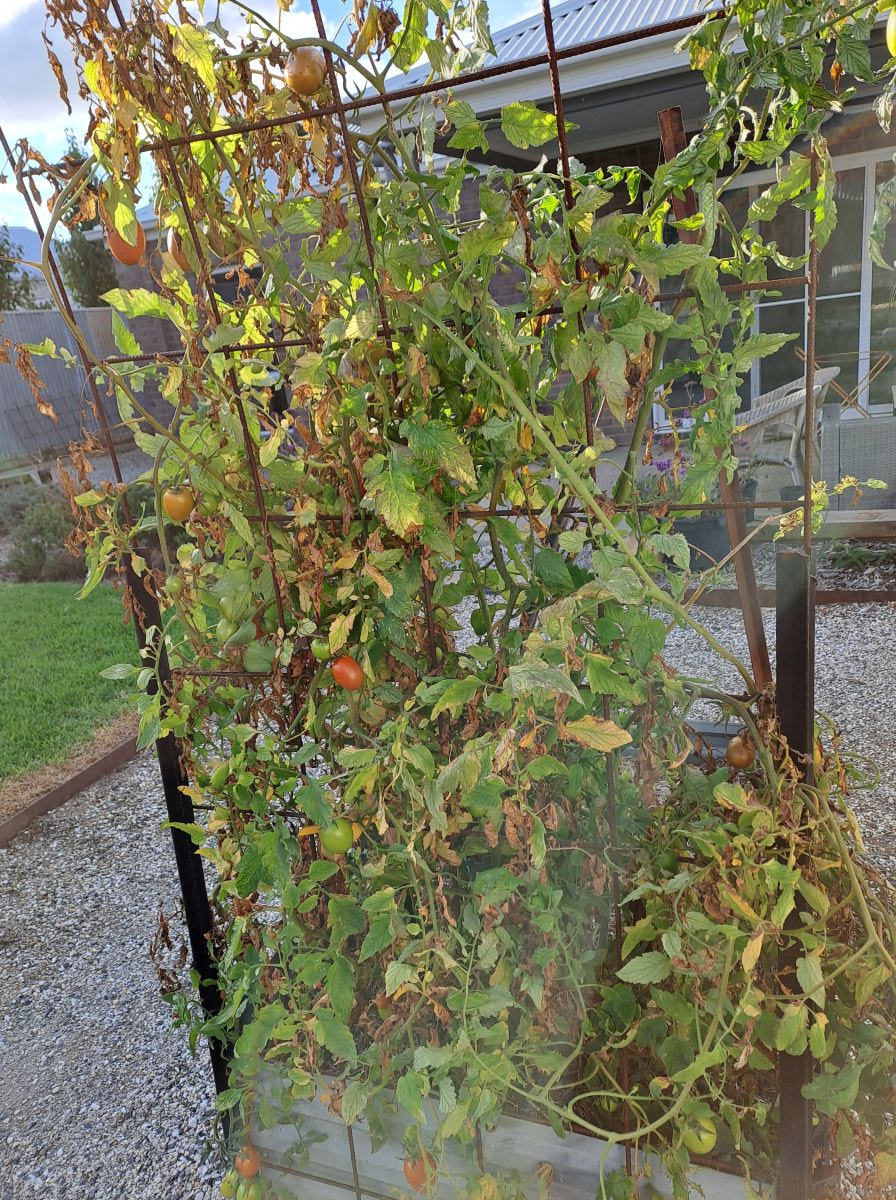
Of course, there were cherry tomatoes by the bucketful. Some have become passata, others tomato paste and there are multiple bags of them in the freezer which will go into winter casseroles or be turned into sauce.
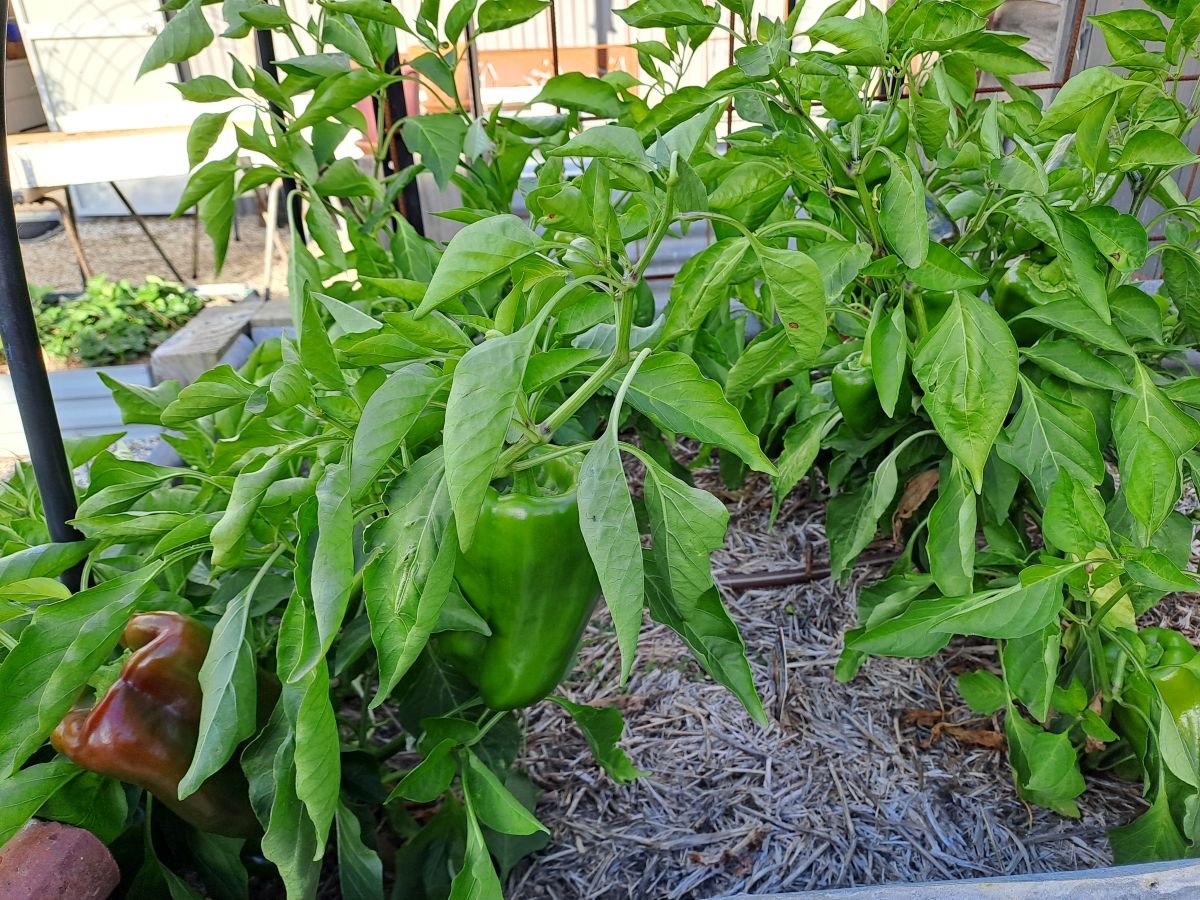
The other summer success story has been the capsicums (bell peppers). I have had a couple of previous attempts over the years which have yielded small, green capsicums but nothing of note. These have been nothing short of amazing. I have harvested multiple large, fully red fruit and there are at least a dozen on the bushes. The main threat is the cooler autumn weather and the risk of the first frost which will finish them off in the blink of an eyelid. I am watching the forecasts closely and mentally designing a portable greenhouse to protect them for as long as I can.
You can see a red and a green capsicum in the foreground of the photo.
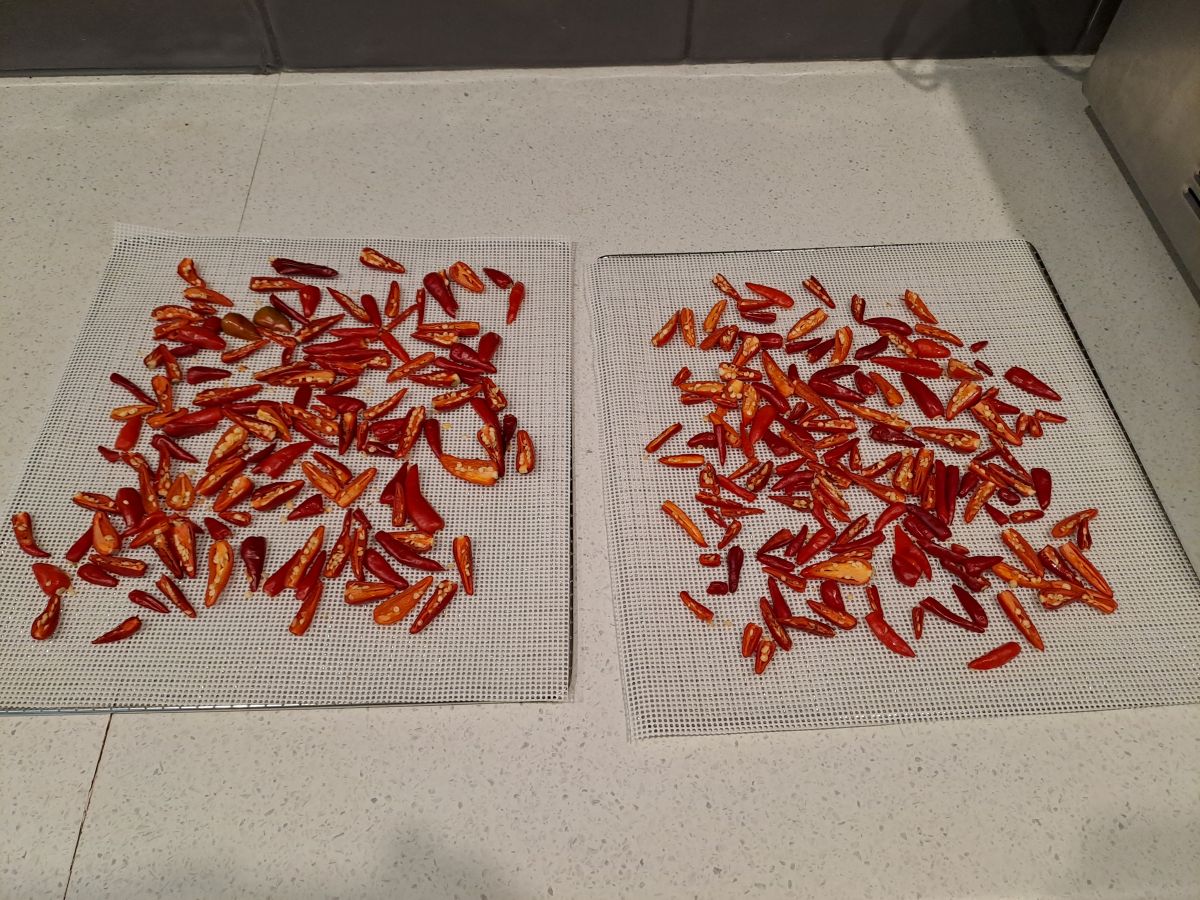
This morning I picked a bowl full of birdseye chillies. I removed the stalks and cut them in half lengthwise and here they are ready to go in the dehydrator. Once they are dried I will grind them to add to the jar of chilli powder.
We are not super-serious gardeners and put in only a minimum amount of effort yet we have been able to grow a variety of food across 2 distinct growing seasons – summer and winter. We have not grown all of these every year but this is a list of what we have grown here and gives an idea of the possibilities.
Grapefruit Cabbage Basil
Lemons Capsicum Chillies
Nashi pears Cauliflower Chives
Nectarines Cucumber Garlic
Oranges Eggplant Mint
Passionfruit Lettuce Olives
Raspberries Silverbeet (Chard) Rosemary
Rhubarb Snow Peas
Strawberries Spinach
Zucchini
According to AI this is our climate. It is absolutely accurate.
- Climate Zone: Zone 6 (Mild Temperate).
- Conditions: Mild temperate with distinct seasons, characterized by hot, dry summers and cool, wet winters.
- Temperatures: Summer high temperatures often around 30°C, with increasing days over 40°C, and winter temperatures with regular morning frosts and occasionally falling below zero.
- Rainfall: Relatively low rainfall, generally under 600mm annually.
I hope to be a bit more consistent with my gardening efforts and expand the range, specifically to include beans, peas and possibly other things too.

